March 3, 2026
Through my experience working with several different clients now they all have had one thing in common. That being, they do not have a cohesive vision of what they actually want their organization to be. I find that while this hardly effects my workflow as a designer, It does lead to problems that waste a lot of time later in the process of branding for them. So what are some examples of these problems? and how do I tackle them before they go out of control?

Through my experience working with several different clients now they all have had one thing in common. That being, they do not have a cohesive vision of what they actually want their organization to be. I find that while this hardly effects my workflow as a designer, It does lead to problems that waste a lot of time later in the process of branding for them. So what are some examples of these problems? and how do I tackle them before they go out of control?
Of all the problems clients have with the vision of their branding the most challenging to work with is one that does not tack meaning in their company elements, thus can not explain the definitive purpose of why they do that they do. It's just a company and it does what it does. Often this kind of client will offer complete creative freedom. Do not fall for this. There is no such thing as real creative freedom when working with a client. If you take this offer of full creative reign, I promise you it will almost never succeed. which will lead to back tracking and identity overhauls. This is because the client does have an opinion/ bias on their brand identity but doesn't know how to communicate it.
To avoid this problem you should completely understand a clients vision and tastes before even beginning the design process. If it is an already existing brand, study the brand. If you are working from scratch study the client. You can solve this problem using several methods.
1. Sit Down and Have a Conversation
Talking and interacting with your clients has several merits. It builds meaningful connections with others and is the most efficient way of collecting information to begin your design process. I personally have questions prepared beforehand to ensure the process goes smoothly.
2. Create a Mood Board
Sending a client a mood board and having them pick out pictures that appeal to them is a great way for a client to communicate their tastes in visuals to me. Do they like round shapes? expressive colors? Decorative type? look into these things and more when sending a client a mood board.
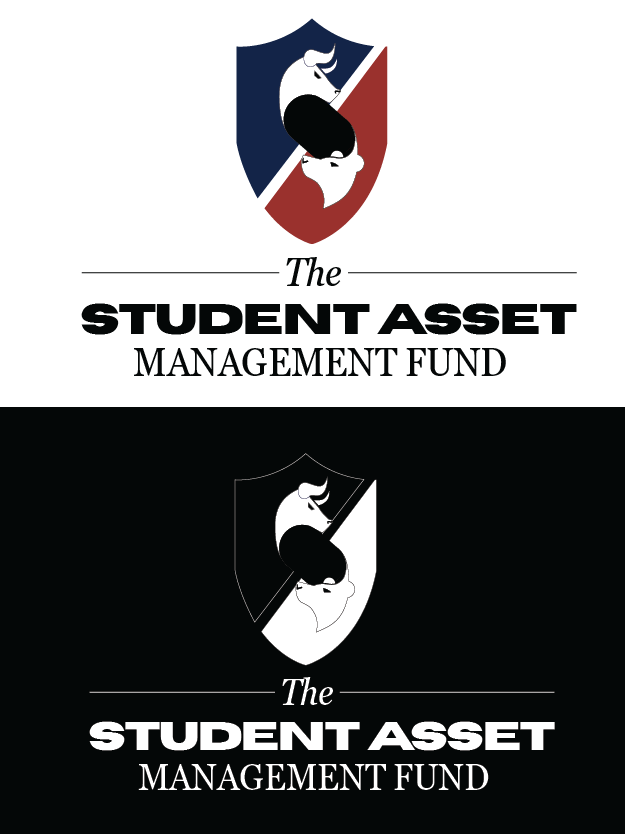
Another problem that I come across is a simple lack of communication from the client. Sometimes miss leading you and severely extending the time of your design process. I've had cases where I had been at the final process of my branding, the style guide, and did a complete 180, rebranding from the ground up again. A good example is one of the first client projects I had ever done. I made the mistake of asking the wrong questions. I asked them what they wanted and the kind of elements they preferred directly. This is a big NO NO. Clients are not designers and cannot communicate exactly what they want to be made. Sometimes they will give you their opinion on the matter and go the opposite direction at any point in your design process. So be sure you are the one making the final design decisions and probe the client for their tastes rather than giving them authority in your design process. This way what you make looks good and communicates the clients needs.
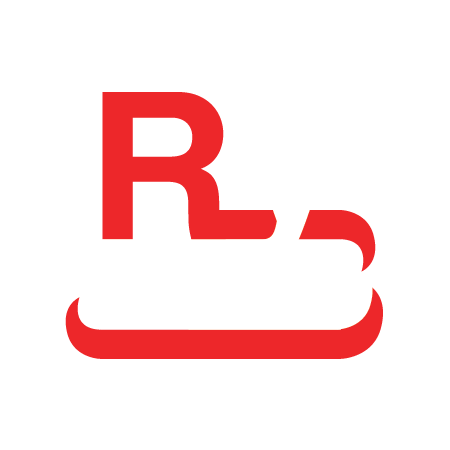
All of this information comes from my personal experience. Every client is different and will not fall under these exact situations. But I can say without a shadow of a doubt that you will grow as a professional designer if you inform the design decisions over the client. You just need to know what to ask and why! Below is a picture of the before and after of the branding I did for my client, Left logos are the first drafts, just look at the complete aesthetic 180!